The Yidan Prize Foundation named two research teams working at the intersection of health, nutrition and economics as winners of the 2026 Yidan Prize on September 2, marking the award’s tenth year of pushing for solutions in global education.
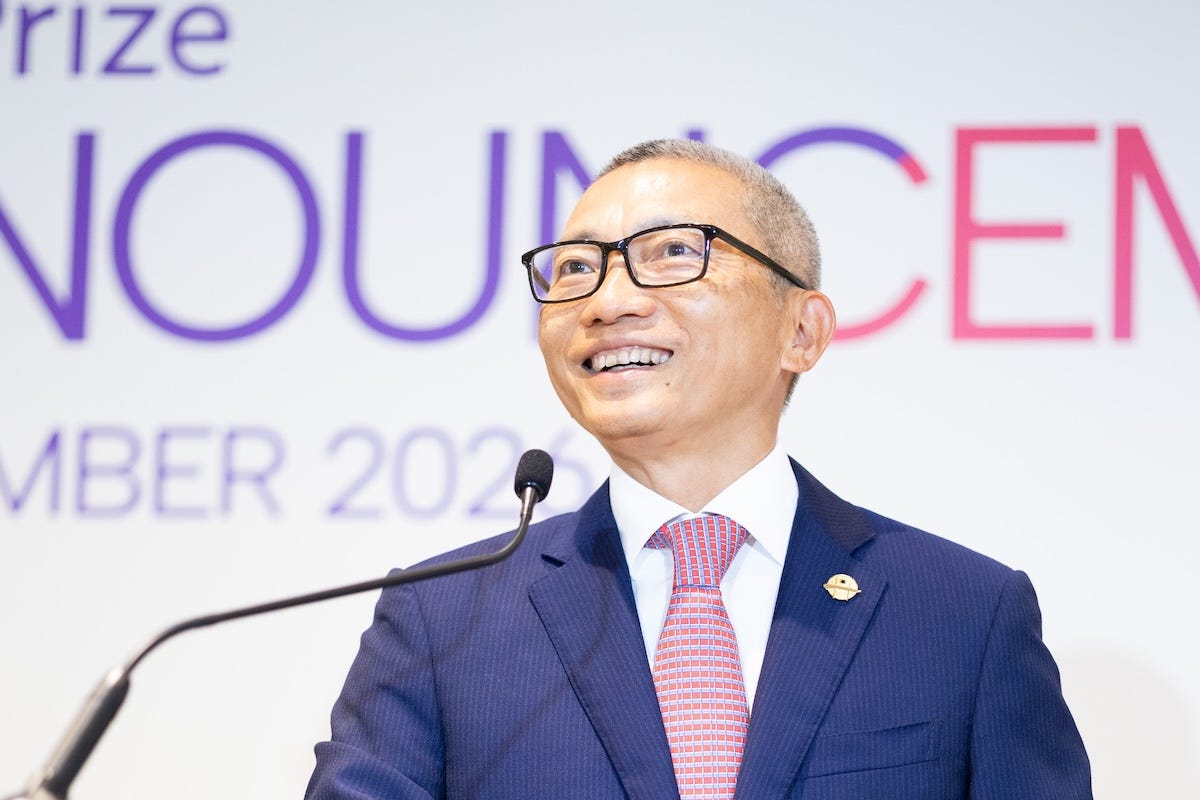
An independent Judging Committee chaired by Andreas Schleicher, Director for Education and Skills at the Organisation for Economic Co-operation and Development (OECD), selected the laureates at a press conference in Hong Kong.
Each award is worth HK$30 million (US$3.8 million), split evenly between a cash prize and a project fund.
The project fund is unrestricted, letting laureates expand their work freely. Since 2017, the foundation has distributed HK$600 million to 25 laureates across nearly 60 countries and regions.
“The work and collective impact of our laureates over the past decade have made the Yidan Prize a lighthouse to illuminate pathways forward in global education,” said Charles Chen Yidan, founder of the prize. “Every laureate strengthens this commitment, brings transformative ideas, and expands the ways in which we shape the future of education.”
The prize recognizes changemakers whose work is future-oriented, innovative, transformative and sustainable. Nominations for the 2027 Yidan Prize open on October 27 and close on March 2, 2027.
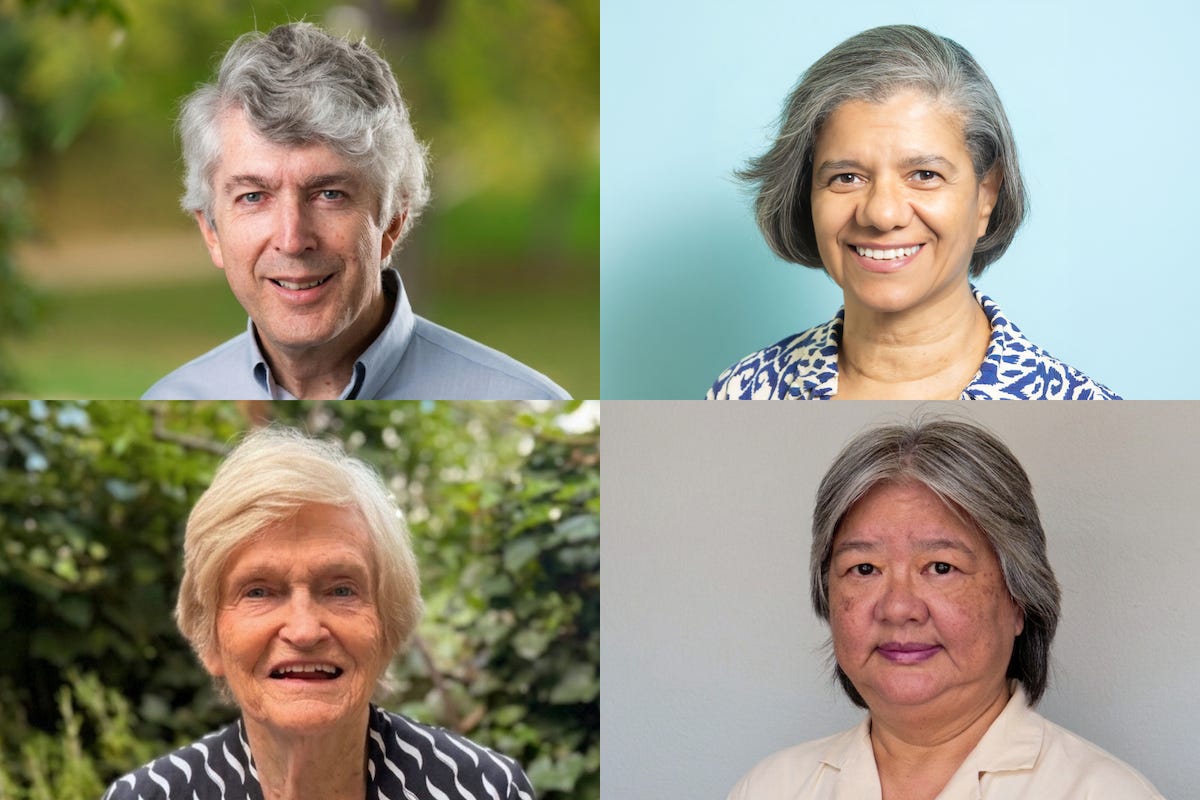
Paul W. Glewwe, a Regents Professor at the University of Minnesota, won the 2026 Yidan Prize for Education Research.
Glewwe, based in the Department of Applied Economics, showed how socioeconomic, health and nutrition factors beyond the classroom shape children’s learning outcomes. He helped introduce indicators of literacy, numeracy, and abstract reasoning for children and parents into the World Bank’s household surveys, giving policymakers a clearer view of how poverty and inequality connect to education.
He also pioneered randomized controlled trials to test education programs.
The trials steered governments toward approaches with proven results. He was also among the first economists to fold social-emotional skills into the economics of education, and his research spans more than 15 developing countries.
Elizabeth M. King, who heads the Education Research judging panel, said transforming education systems requires scientific rigor paired with a commitment to real-world impact.
King said Glewwe has spent nearly 40 years providing governments with the evidence to spend wisely, teachers with the tools to instruct effectively, and millions of vulnerable children with the chance to escape intergenerational poverty.
The 2026 Yidan Prize for Education Development went to Susan P. Walker (emeritus professor of nutrition, University of the West Indies), Sally Grantham-McGregor (emeritus professor of international child health and development, University College London) and Susan M. Chang-Lopez (senior lecturer, University of the West Indies) for Reach Up.
Reach Up is an early childhood program built on the trio’s research into stimulation and caregiver interaction. The three academics began their careers studying health and nutrition before discovering how caregiver engagement shapes children’s development from birth to age four.
The program uses low-cost, culturally adaptable activities woven into daily routines.
These help caregivers build the skills and confidence to talk, play and respond to young children in ways that nurture cognitive development. It now runs in more than 21 countries across the Caribbean, Latin America, Asia, Africa and the Middle East.
Reach Up is delivered through existing health, social protection, education, and humanitarian systems, and its curriculum and materials are available free of charge, continuously evaluated, and adapted to improve the program’s effectiveness.
Dorothy K. Gordon, who heads the Education Development judging panel, said Reach Up gives children a better chance at an equal start in learning, education and life. Gordon credited the laureates for combining evidence, partnership and local leadership, saying the program’s global impact stems from rigorous, multi-disciplinary research paired with a toolbox of well-designed interventions.
The 2026 laureates will join three days of discussions at the Yidan Prize Summit in Hong Kong from December 3 to 5.
The summit will explore education not just as a place but as a driving force for flourishing ecosystems grounded in human connection, creation and deep learning in the age of artificial intelligence (AI), with the laureates receiving their awards on the final day.