


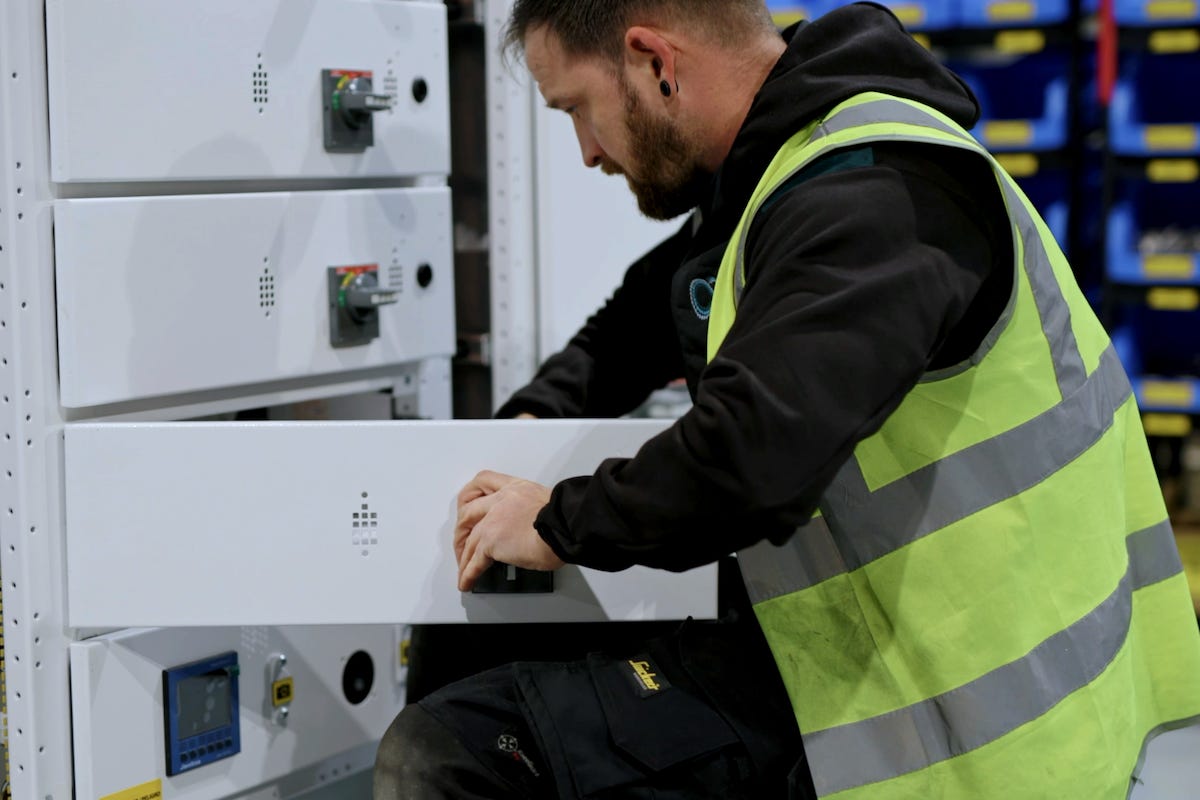
Keeping skilled workers has become a daily task for factories racing to build power equipment for artificial intelligence (AI) data centers, according to a former electrical apprentice with more than 30 years in the industry.
Demand for engineering skills has tipped the balance toward workers, and employers now have to earn their loyalty.
“When I was young, you thanked everyone that you had a job. You were lucky to have a job. Nowadays, the employer is lucky that they’ve got that person there to employ, because it is an employees’ market,” Michael Beagan, managing director of TES Power, told TechJournal.uk in an interview in Ballykelly, Northern Ireland.
“What we have to do is make sure that we retain the staff. We have to make sure that the staff are all happy here,” he said.
He said people want to see progression and understand the career paths open to them, so the company is clear about routes forward and promotes from within. He added that a team spirit, in which staff work hard but also enjoy the job, goes a long way toward keeping them.
Beagan also runs an open-door policy, so anyone in the company can talk to him at any time.
“When information isn’t there, people make up their own information, and that’s normally a lot worse. So we try and be very open with everyone,” he said.
He said attrition is extremely low, but commissioning engineers, who are in short supply across the industry, are harder to keep. Once they are fully trained, the company is lucky to hold on to them for 18 months to two years.
"We spend all the time investing in and growing these people, and then you send them out into the big bad world, and then the wolves swoop in," Beagan said at a company briefing on the same day.
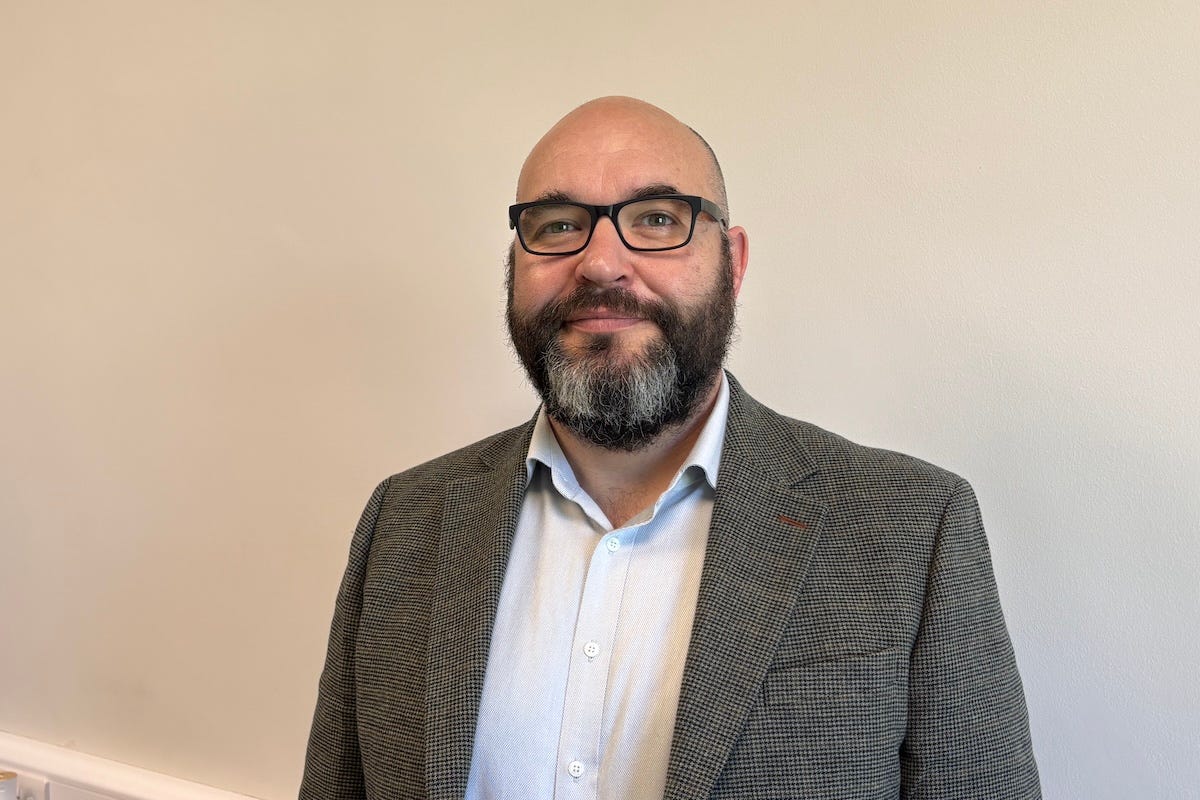
TES Power is the data center arm of TES Group, which French electrical group Legrand bought in April 2026.
The company took over the Ballykelly site in County Londonderry, then a derelict former military building, four years ago. It now employs nearly 200 people there, making low-voltage switchgear and modular power rooms for data centers across Europe.
Fridays off by vote
The interview took place on September 23 during a two-day media tour of Northern Ireland.
The clearest test of that openness came a few months ago, when staff asked to squeeze their 40-hour week into four days, from Monday to Thursday.
“We said, look, okay, we’ll look at this. We’ll do a vote among everyone, but at least 80% of the staff needs to be for this, because it can’t just be 50% plus one. It’s such a big change,” Beagan said.
Some 97% voted in favor, and the four-day week went ahead.
“Even the few people that didn’t want it at the time have now come and said, it’s pretty good now,” he said.
The same instinct shapes how the company trains its newest recruits.
“Thirty-odd years ago, when I was doing my apprenticeship, things were different. You were released into a company and just kind of tagged in. You had no thought or planning for your progression,” he said.
TES Power now employs an in-house technical training officer and a dedicated apprentice mentor to support close to 30 apprentices.
This year it took 16 recruits onto a new panel wiring apprenticeship at North West Regional College, the first course of its kind on the island of Ireland. It plans to take on a similar intake every year.
“I always tell people when they first come in here, don’t panic. You don’t need to understand the bigger picture. Understand this small part of it, and then this small part of it, and eventually the whole picture will connect,” Beagan said.
He said training has to explain why each step matters, not just what to do. A driver who follows a sat nav learns nothing about the route, while one who learns the journey remembers it next time.
He does not believe young people have it harder today, as apprentices can earn while they learn without university debt.
Robots for repetitive work
Automation is part of the plan, but it targets tasks, no
t people. A new “lights-out” sheet-metal punch lets one operator run two machines, while an automated powder-coating line does in a morning what two painters once did in a week.
“We automate the tasks that carry little value for a human, and allow the humans to carry out the tasks that have a great value,” Beagan said.
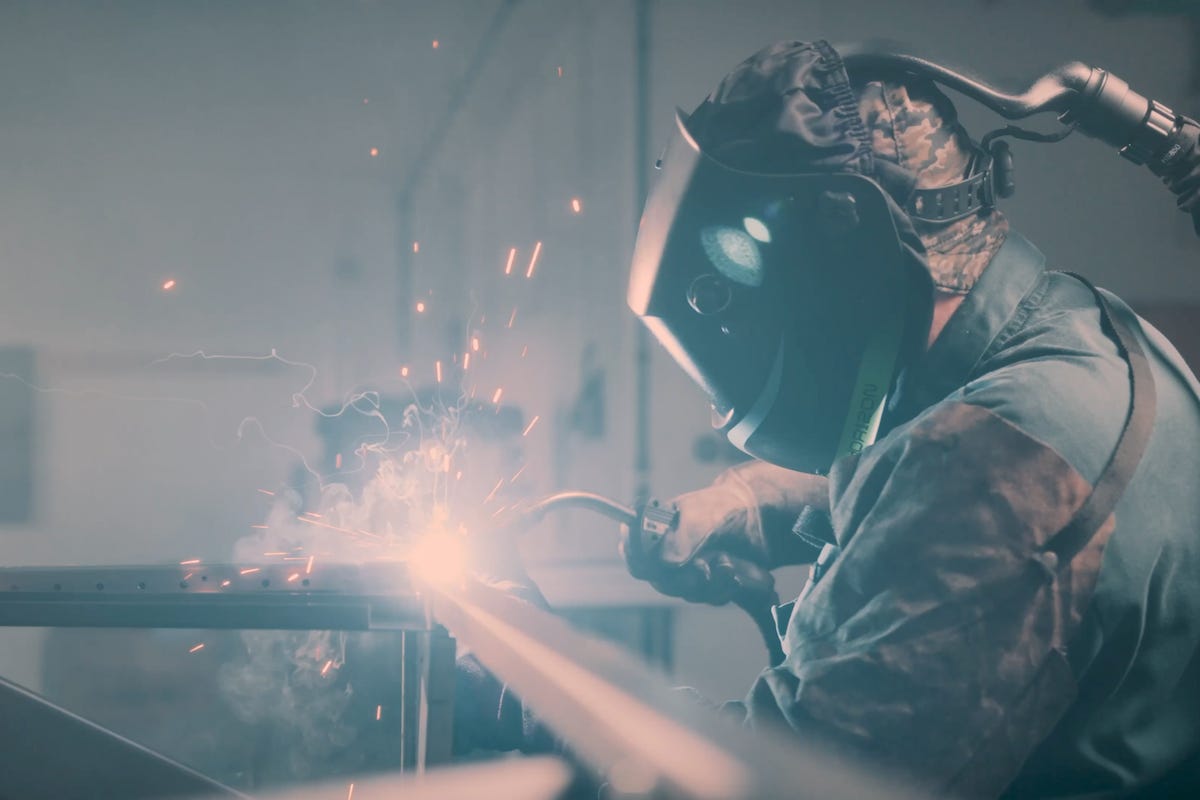
He said some repetitive jobs are still done by hand only because the capital expenditure to automate them cannot yet be justified. Once it can, he would move those workers to more meaningful work, and he does not rule out humanoid robots taking on the most repetitive tasks.
In the meantime, staff are rotated so that no one does the same repetitive job every day.
"There'd be nothing more soul-destroying than if your job was to come in and do the exact same process all day, every day," he said.
Beagan said the workforce is not split 50-50 between men and women, and the company sets no hiring targets.
Women work as apprentices, shop-floor staff, project managers and designers. On the shop floor, many have gravitated toward wiring, which he described as dextrous work demanding fine detail, while mechanical fitters bolt in heavy copper. He said this was not planned, as some people simply lean toward electrical work and others toward mechanical.
“Society isn’t made up of one type of people, so why should a workforce be made up like that too? It allows the free flow of ideas and thoughts and processes,” he said.
Every morning, production staff from purchasing, design, fabrication and assembly meet in a huddle to review the previous day’s problems. Anything fixed comes off the board, while anything unresolved by the next morning moves to a formal tracker with a named owner.
Staff also tell the company what bugs them about their jobs, and the company puts a process or system in place to fix it.
He said every worker needs to know three things to do the job well:
What to do
How to do it
When to do it
“That sounds so simple, but the reality is it’s a lot more difficult when you’ve got all these different departments that are interconnected. This is a fast-paced environment, and it’s essential that everyone’s well-being is considered all the way through,” he said.
His own career follows the practical path he preaches. He said academic study was never his strength and that he learned on the factory floor. As a child, he took apart every toy he owned.
He started as an electrical apprentice in 1993, later set up a US factory making switchgear to both European and North American standards, and joined TES Power in 2022 to run the Ballykelly site. He became managing director in November 2025.
“The difference that I have is probably 30 years of mistakes that I’ve made and learned from, which is very difficult to replicate unless you’ve felt the pain of those mistakes,” he said.
He said he is happy to hire graduates with more technical knowledge than he has and loves being challenged. He said the same appetite for learning runs through the company, which will keep training and upskilling its own staff as it expands to prepare the next wave of engineers and electricians.