First Light Fusion, an Oxford-based fusion developer, will fire projectiles into graphite at over 3 km/s to help UK defense scientists study extreme impacts.
The tests will study crater formation, energy dissipation and transitions in material strength.
“This program demonstrates the growing demand for First Light Fusion’s capabilities beyond fusion energy,” said Paul Holligan, vice president of commercial and partnerships at First Light Fusion.
Founded in 2011, the company is developing FLARE, a two-stage fusion fuel system.
In March 2025, it dropped plans to build its own fusion power plant, turning to partnerships with other fusion developers and to materials testing for space and defense. Six months later, it published a paper setting out FLARE as a reactor-compatible route to high-gain inertial fusion.
The campaign for the Defence Science and Technology Laboratory (Dstl), the research arm of the UK Ministry of Defence, will reproduce a 2017 experiment by Hébert and colleagues that fired steel projectiles into porous graphite.
Replicating the study allows direct comparison with published results and tests the accuracy of First Light’s methods and measurements.
The work will also probe a change in graphite’s behavior observed at impact velocities above about 3 km/s. Dstl will supply the targets, which are configured for recovery after each shot so researchers can inspect the damage in detail.
The laboratory said the program would deepen its understanding of how materials behave under hypervelocity impact. It said First Light’s facilities and expertise would let it examine these effects across a carefully controlled range of conditions, supporting the development and validation of improved material models for defense applications.
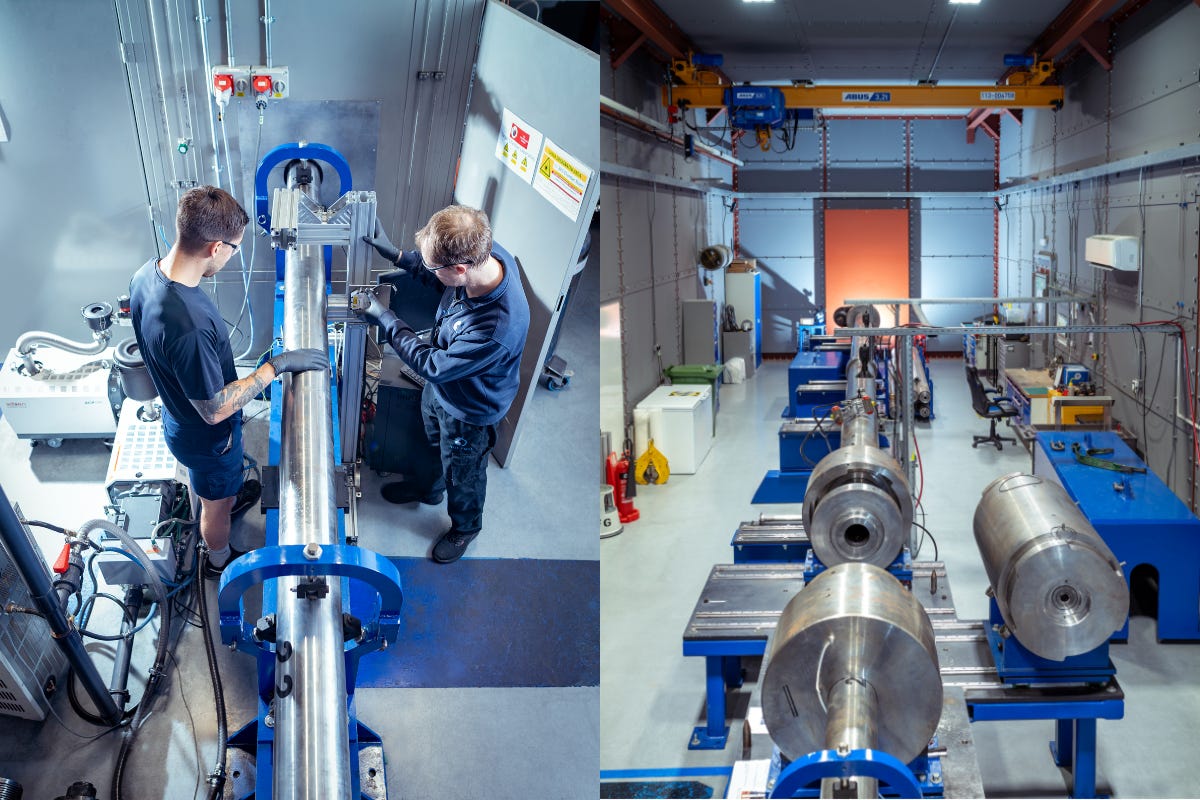
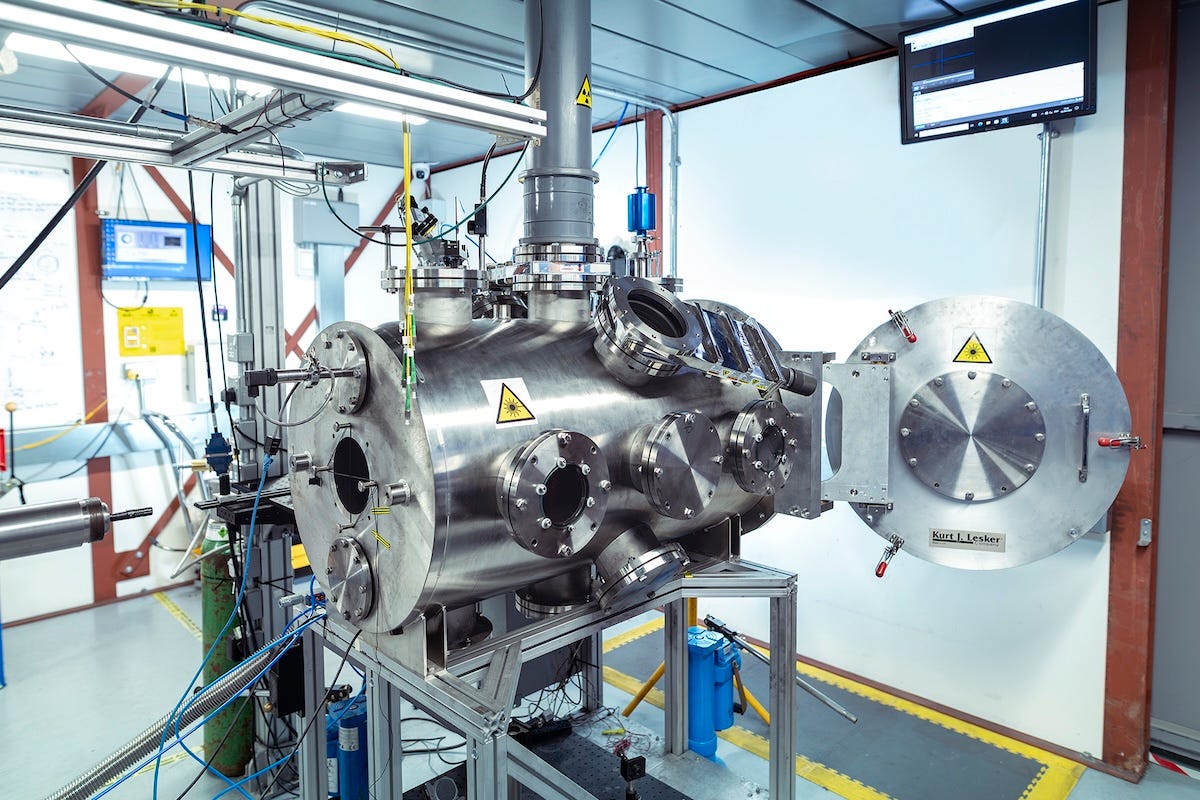
First Light’s gas gun and pulsed-power platforms, built for its fusion work, can recreate the extreme temperatures and pressures relevant to aerospace, defense and space testing. They include the UK’s largest two-stage gas gun.
In June, its VIPER amplifiers pushed projectiles past 12 km/s, comparable to orbital debris, at a Texas A&M test station.
First Light expects demand for its fusion-built facilities, amplification technology and simulation tools to keep growing among government and commercial organizations in defense, aerospace and advanced materials research.