


The defense and space sector is increasingly aligning operational capability with long‑term human recovery, linking battlefield communications, surveillance systems and satellite connectivity with rehabilitation programs for wounded service members. Industry leaders say the same technologies that enable survival in combat are now shaping a broader ecosystem of recovery and reintegration.
This shift reflects growing recognition that defense technology does not end with mission success. Communications infrastructure, rapid evacuation capability and cross‑border collaboration are now being positioned as foundational to long‑term veteran wellbeing and international support networks.
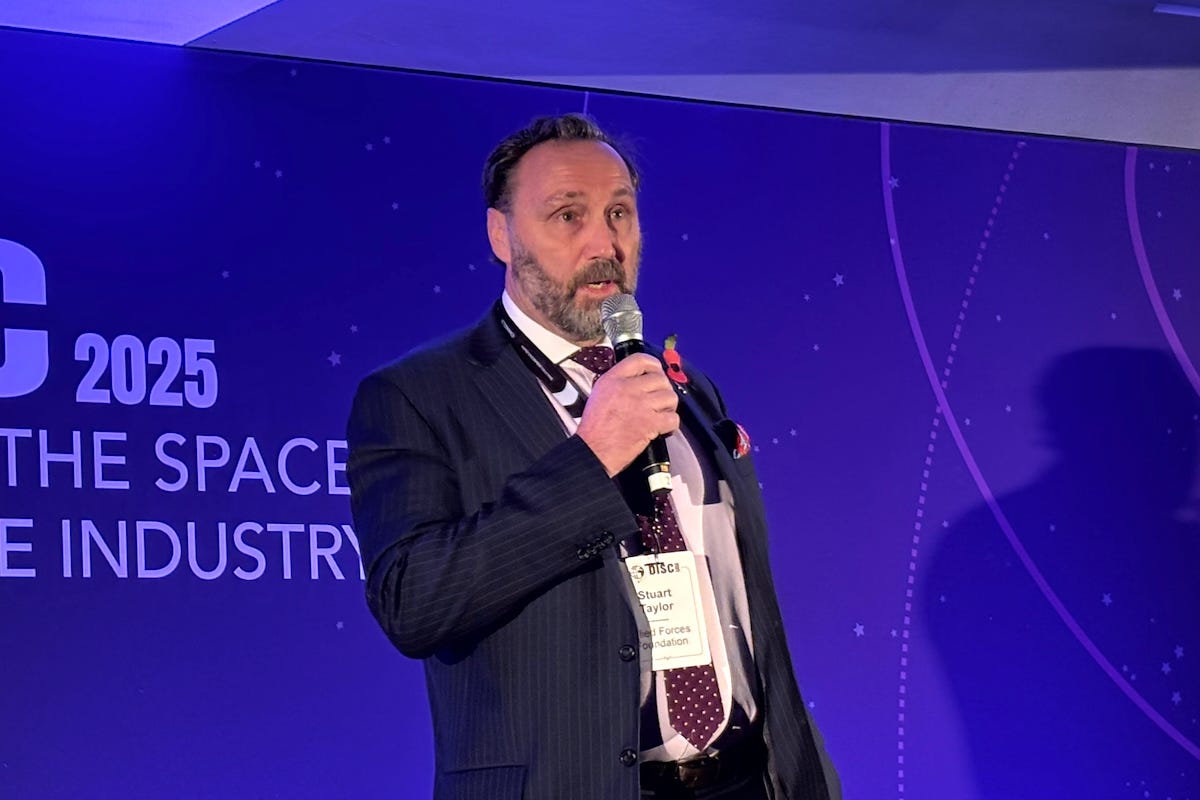
“Our key mission is to help wounded and injured families and caregivers get back to some form of normality using challenge‑based events,” said Stuart Taylor, president and chief executive of the Allied Forces Foundation.
“The key message there, which everyone in this room understands, is about communication,” he added.
The emerging narrative reflects a wider transformation in how the defense and space ecosystem defines impact. Survival, recovery and reintegration are increasingly viewed as part of the same continuum as communications resilience and operational readiness.
The industry’s engagement with veteran recovery initiatives also signals a broader cultural shift. Sponsorship, partnerships and charitable integration are becoming core components of sector events and collaboration platforms.
Industry alignment
Taylor made the comments at the Defence In Space Conference (DISC) 2025 in London, where organizers opened panel discussions and keynote speeches by highlighting the Allied Forces Foundation in recognition of its mission. The session was moderated by Nik Smith, regional director UK and Europe at Lockheed Martin Space, which served as a lead sponsor for the event.
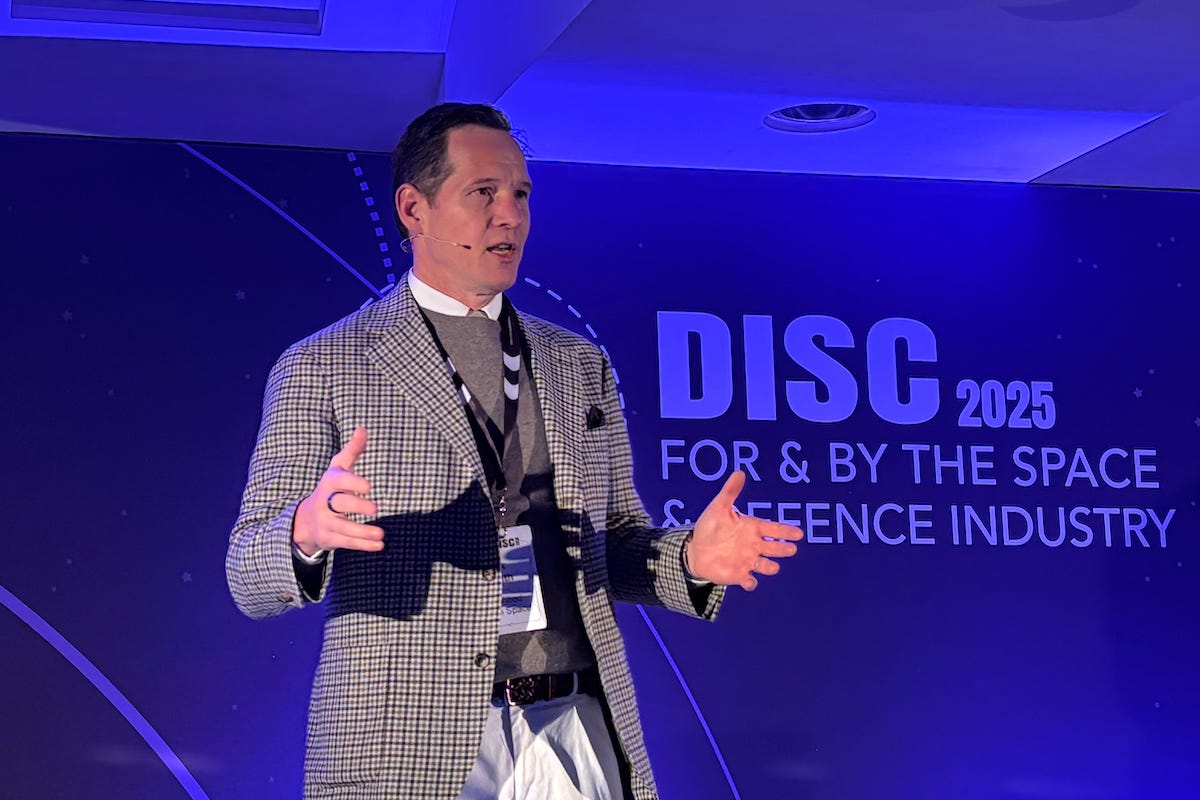
Taylor said the Allied Forces Foundation focuses on bringing together wounded, ill, and injured service members and veterans from the United States, United Kingdom, and allied nations through endurance‑based activities designed to rebuild confidence and community.
The organization’s approach centers on outdoor, peer‑led challenges that combine physical endurance with psychological recovery. These initiatives are designed to strengthen camaraderie and re‑establish a shared sense of purpose among participants.
“Amazon Project Kuiper is sponsoring two of our key events,” Taylor said. “Our own Allied Forces Foundation Amazon Project Kuiper Warrior Yomp takes place in Washington, DC, over Veterans Weekend.”
The involvement of satellite and space companies underscores the expanding role of connectivity providers in defense‑adjacent social initiatives. Industry stakeholders increasingly see veteran recovery as a natural extension of their mission to support defense communities.
The growing competition for sponsorship opportunities highlights the sector’s rising interest in initiatives that combine technology, collaboration, and social responsibility.
“We’ve had the privilege at Lockheed Martin to be a lead sponsor for a few years. That is a heavily contested and competitive slot that gives you an indication of how much the industry really wants to be part of this conference,” Smith said.
He added that the initiative was designed to remain accessible and open to the wider community.
“This has always had an affiliation with a charity as well,” Smith said. “We’ve talked about making sure this is free and accessible and allows people to participate in the dialog and the conversation.”
Global recovery network
The Allied Forces Foundation’s programs span multiple countries, reflecting the increasingly international nature of veteran support networks and the shared experiences of allied forces.
“We support the Carpathian Yomp, which is in Ukraine, and we do other events globally around the world,” Taylor said.
These initiatives bring together veterans, families, and caregivers through endurance challenges that emphasize teamwork and shared experience. The model is designed to replicate the camaraderie of service life while helping participants rebuild confidence and resilience.
The organization’s motto, “Side by Side,” reflects its emphasis on shared experience and peer‑to‑peer support as a pathway to recovery. Participants reconnect with others who understand the physical and psychological challenges of service.
The endurance events themselves are designed to push participants beyond perceived limitations while providing structured support.
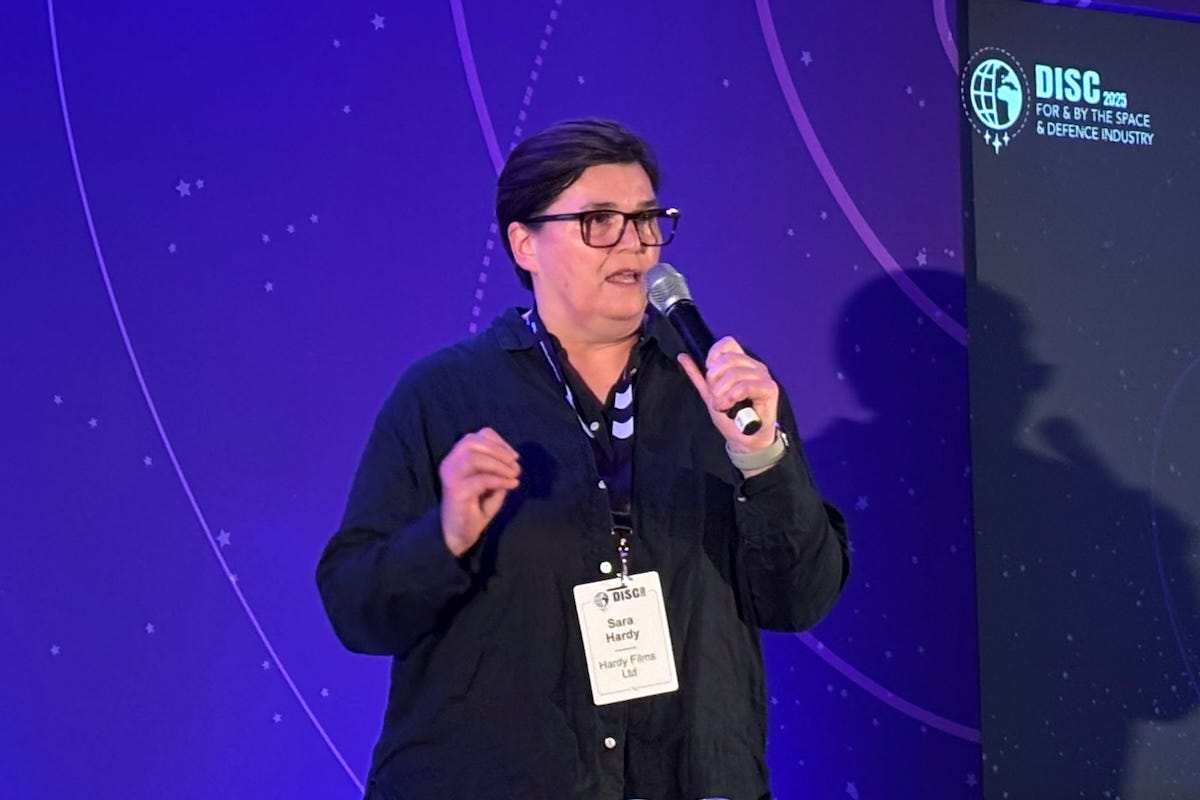
“The veterans will participate in a 54‑mile walk in a 24‑hour period, and that is no mean feat,” said Sara Hardy, an active director at Hardy Films Ltd, in a documentary segment shown at the event.
The challenges often include participants with prosthetics or other significant injuries, reinforcing the importance of community and perseverance.
“If they finish this distance, they become heroes to themselves,” Hardy said in the film.
The emotional dimension of these initiatives remains central to their impact.
“It’s about warriors. It’s about energy and recovery. It’s about depression. It’s about support of our Ukrainian communities around the world,” she said, describing the message conveyed through the documentary.
Communications and survival
Industry leaders emphasized the link between modern defense technology and battlefield survival outcomes, particularly the roles of communications and surveillance in enabling rapid evacuation and medical support.
The concept of the “golden hour” — the critical window for life‑saving medical treatment — has become a defining example of how technology shapes survival and long‑term recovery.
Smith said communications and surveillance systems play a central role in enabling rapid response and safe extraction from conflict zones.
“You should be very proud of the service you provide to those people in the field,” he said.
He also highlighted the broader ripple effect of combat trauma.
“Every person who laid their hands on them was also affected and came back with injuries of a different kind as well,” Smith said.
This perspective reinforces the need for comprehensive support systems that extend beyond the individuals directly injured in combat.
The growing collaboration between defense companies and veteran organizations reflects recognition that long‑term recovery requires sustained engagement across the ecosystem.
Expanding industry role
The integration of charitable initiatives into major defense and space gatherings illustrates how the sector is redefining collaboration and networking.
“This event has become renowned for its networking events,” Smith said.
Industry leaders say the convergence of technology, partnership, and social mission is likely to deepen as defense and space organizations broaden their definition of operational responsibility.
Future initiatives are expected to expand the role of satellite connectivity, communications infrastructure, and global partnerships in supporting recovery programs and community‑building efforts.
As endurance events and international collaborations grow, the sector is positioning itself to play a sustained role in supporting the people behind the missions it enables.
The long‑term outlook suggests a more integrated model of defense innovation — one that connects battlefield technology, global partnerships, and veteran recovery into a unified framework of responsibility and resilience.