Artificial intelligence (AI) is moving from model training to real‑world usage—and that shift is rewriting data‑center demand. The bottleneck is no longer computing; it is power, land, and time to connect.
Across Europe, AI workloads are rising faster than infrastructure can keep up. Grid capacity, permitting, and skilled labor are becoming binding constraints, widening the gap between surging demand and the pace of new supply.
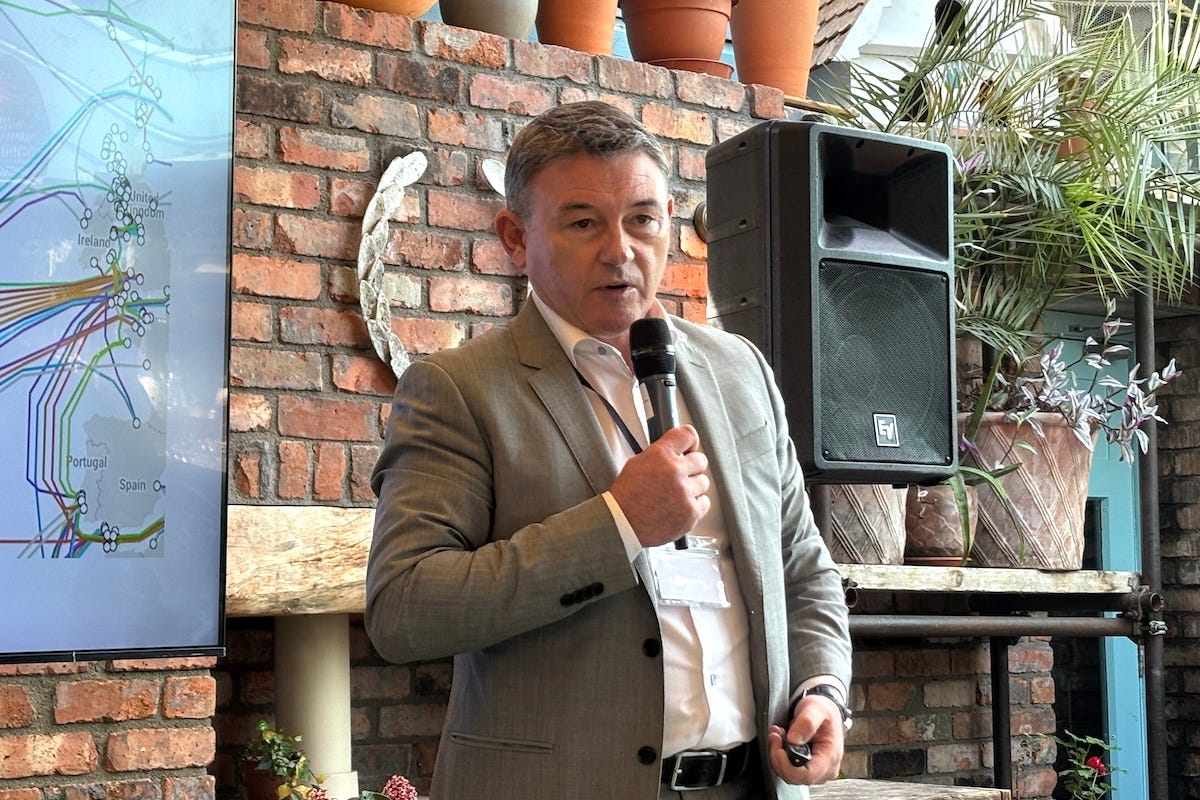
“Europe will depend on how much these models are used. Inferencing is going to be the main driver for growth of AI loading in European markets,” said Philippe Diez, Senior Client Advisor at McKinsey.
Diez said data center demand is expected to grow rapidly through 2030, with annual growth of about 20% even in a worst-case scenario.
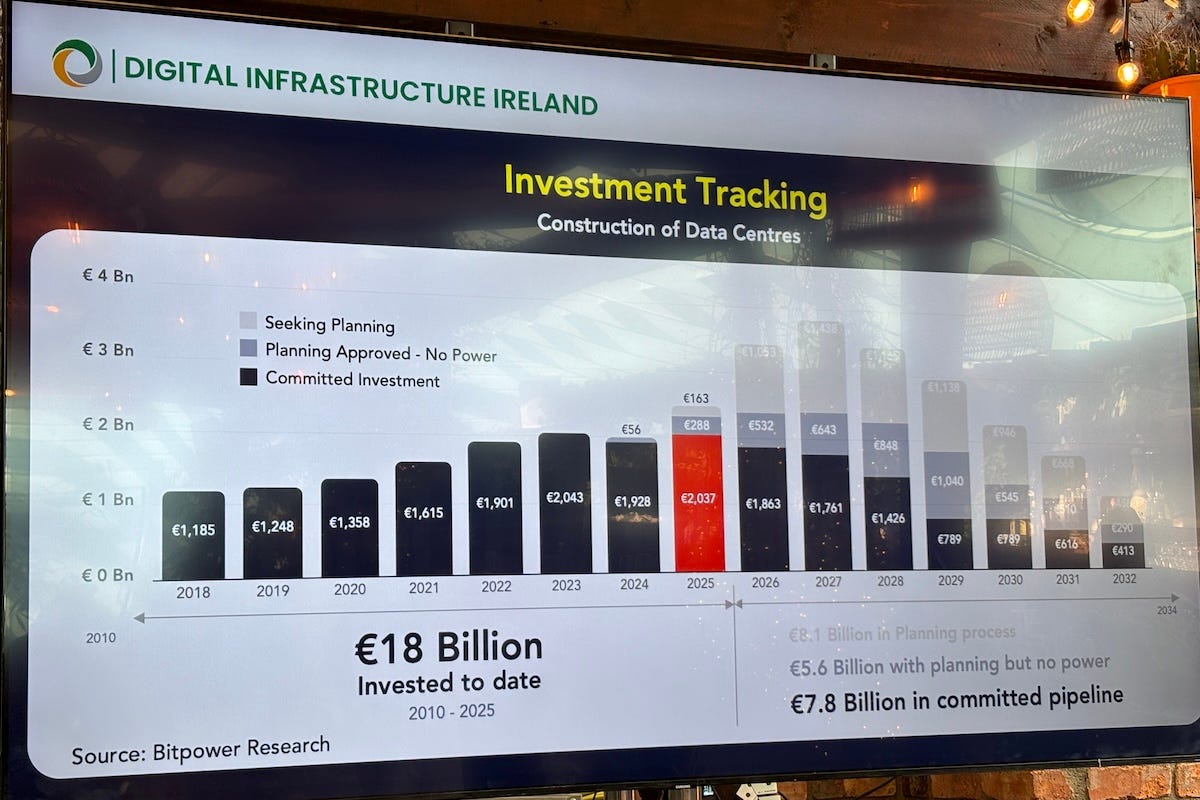
Maurice Mortell, Chairman of Digital Infrastructure Ireland, said the rapid expansion of data centers is already running into physical limits in key hubs such as Dublin, where grid constraints are becoming harder to overcome.
Diez and Mortell delivered opening-market perspectives on March 11 in Dublin, as Pure Data Centres Group (Pure DC) launched Europe’s first large-scale data center microgrid. The 110-megawatt on-site system, developed with AVK, will support hyperscale cloud and AI workloads across Europe and the Middle East, reflecting how rising AI demand is reshaping infrastructure and energy strategy.
Demand meets limits
Diez outlined how global data center demand is set to accelerate sharply through the end of the decade.
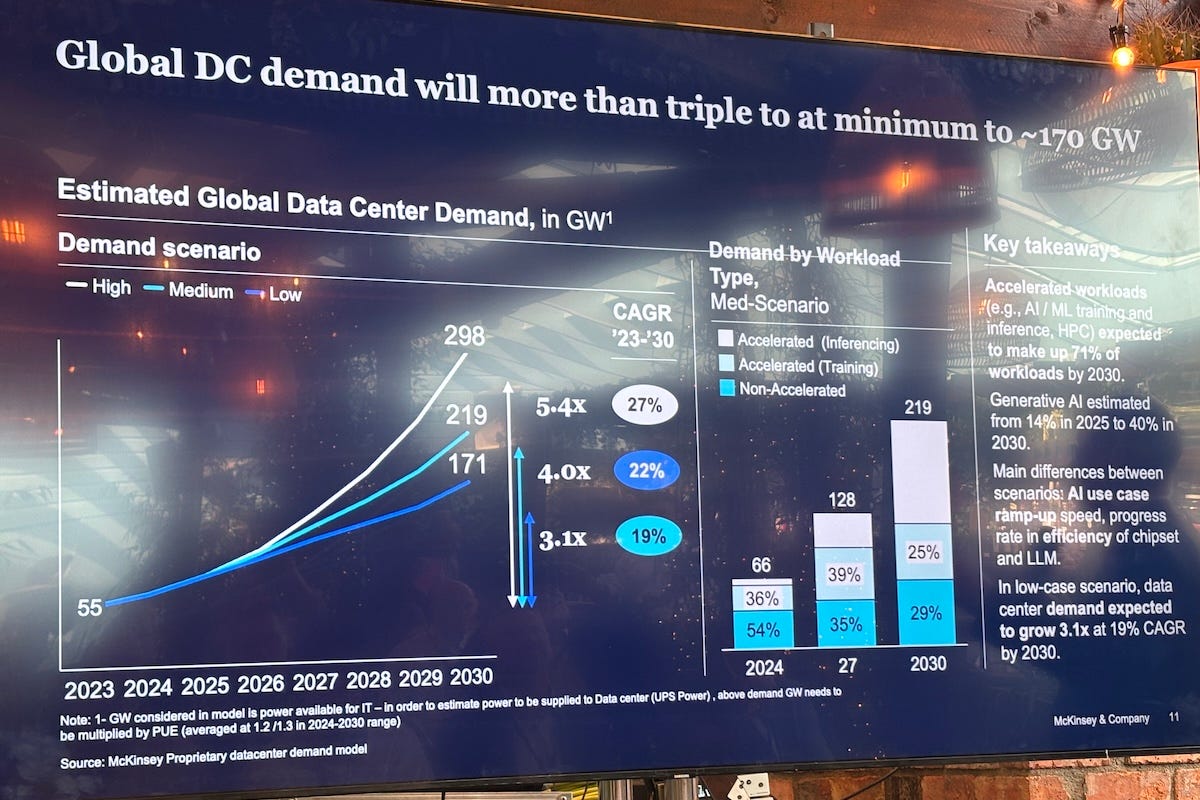
Growth is driven by continued cloud adoption and the rapid expansion of AI workloads, including both model training and inferencing.
While training workloads remain concentrated in the United States and China, Europe is expected to shift more strongly toward inferencing as enterprises deploy AI into real-world applications.
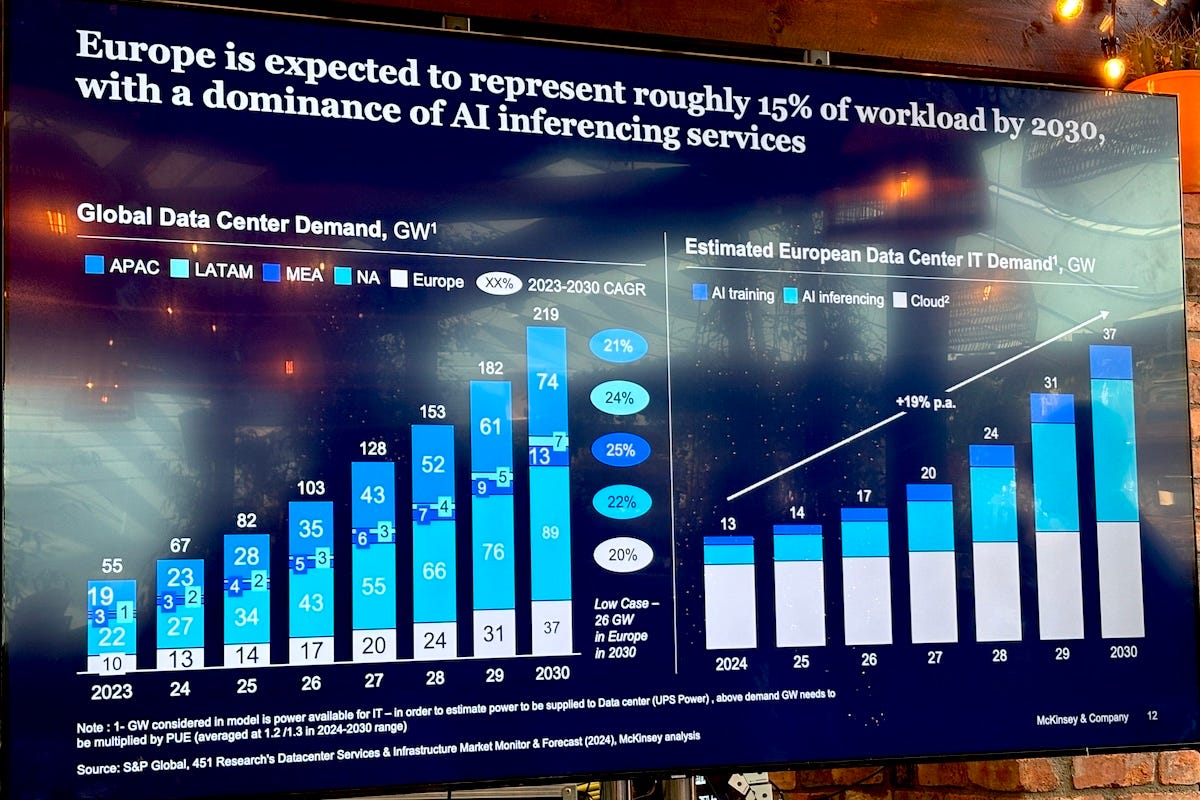
This transition will reshape infrastructure design, favoring distributed capacity closer to users rather than large centralized training clusters.
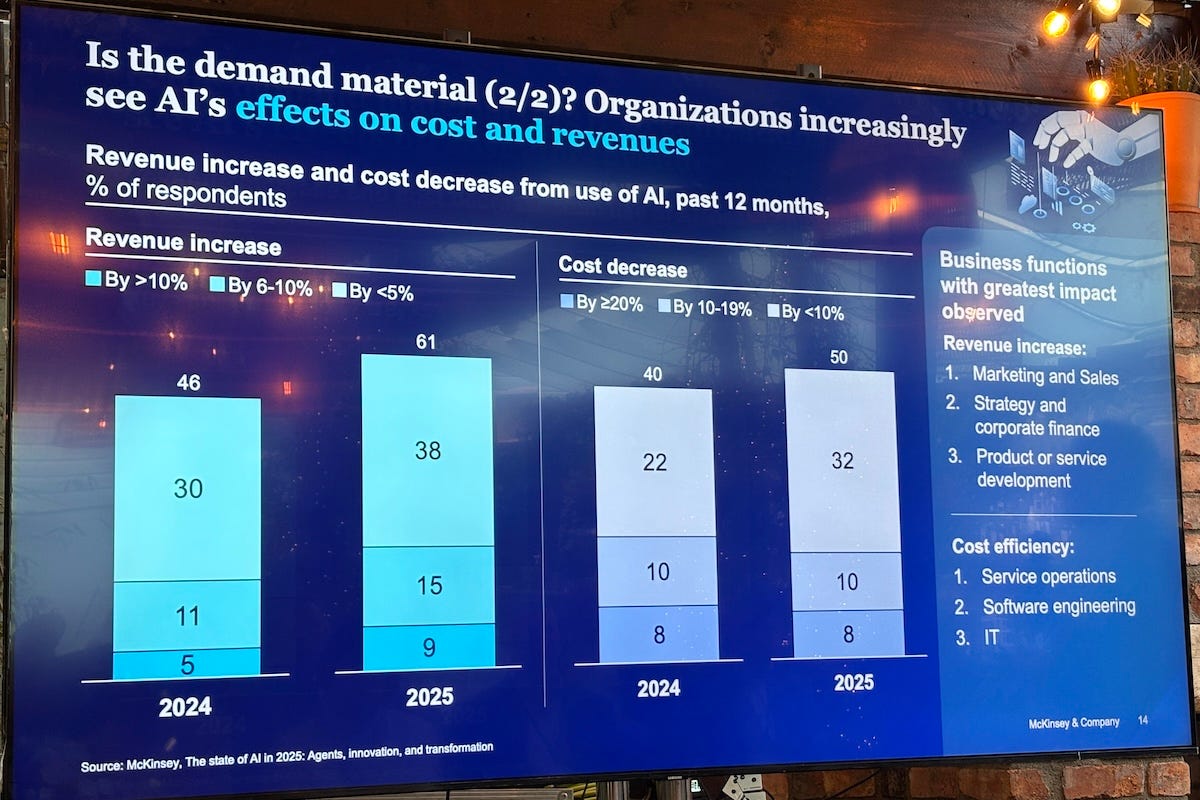
The supply of AI computing power, however, is struggling to keep pace.
Diez said the industry faces a shortfall of between 20% and one-third of projected demand, driven by delays in grid connections, administrative bottlenecks, and shortages of skilled labor.
“This gap is mostly linked to time to power, as well as the availability of people and administrative delays,” he said.
The growing importance of “time to power” is forcing operators to rethink deployment strategies.

Instead of relying solely on grid connections, companies are exploring new regions, repurposing industrial sites, and developing on-site energy generation.
“One of the main blocking points is how fast you can get power,” Diez said. “We see several strategies from operators to reduce this constraint, including moving to new locations, repurposing industrial sites, and building their own power.”
Power strategies shift
As power availability becomes the defining constraint, energy strategy is emerging as a core component of data center design.
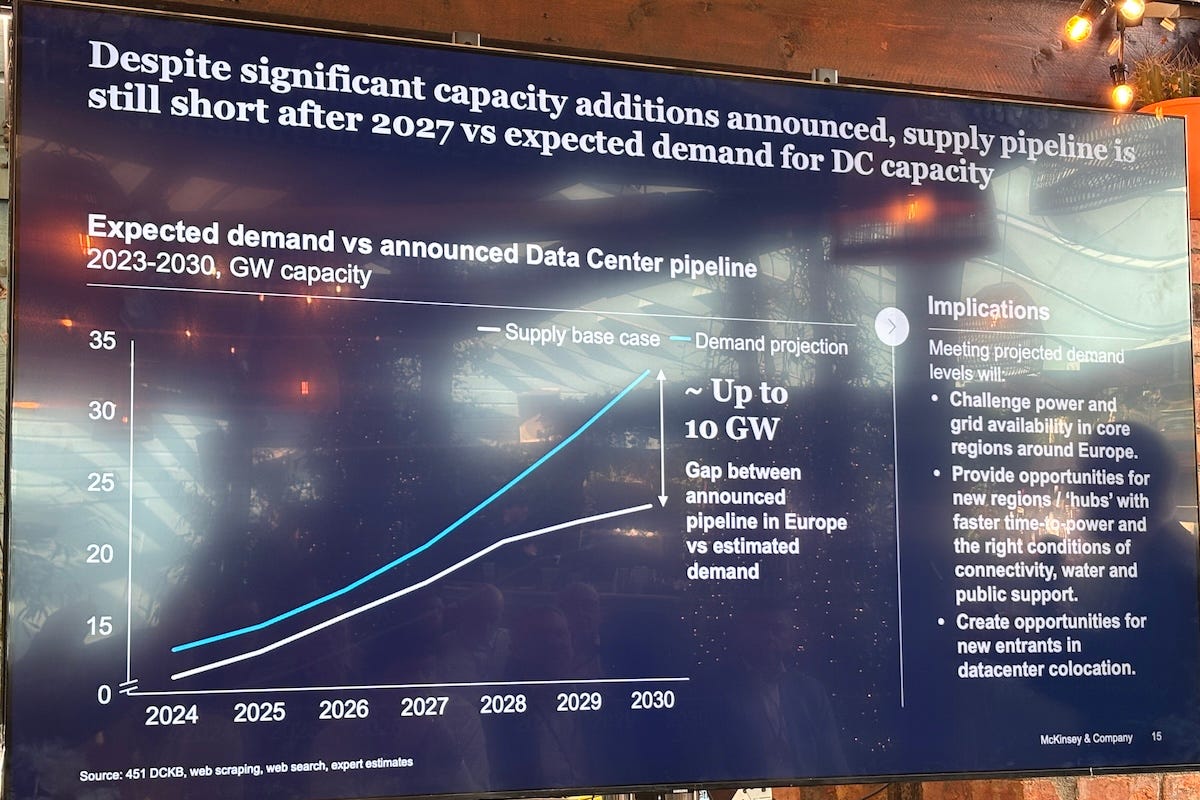
One of the most significant shifts is the growing adoption of on-site generation and microgrid systems, allowing operators to bypass grid limitations and accelerate deployment timelines.
Fully renewable solutions remain difficult to implement at scale due to intermittency and storage constraints.
As a result, many operators are turning to hybrid models that combine renewables with dispatchable energy sources.
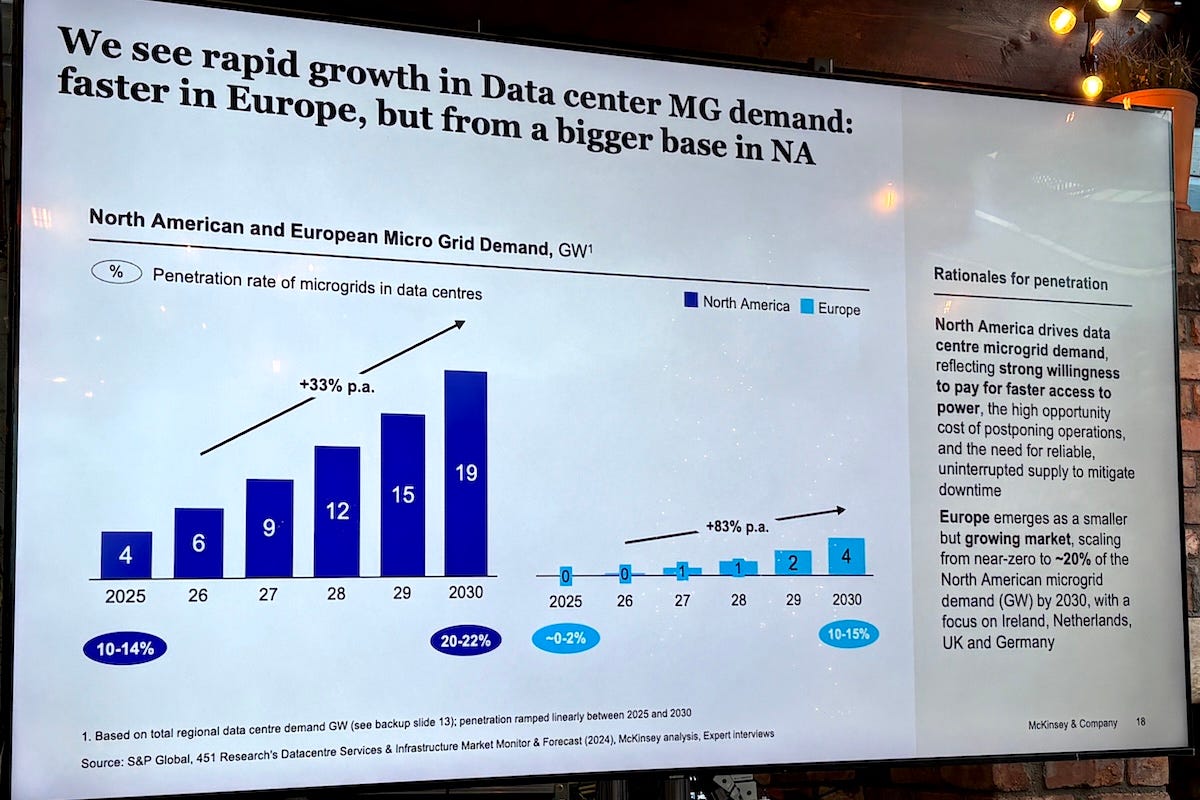
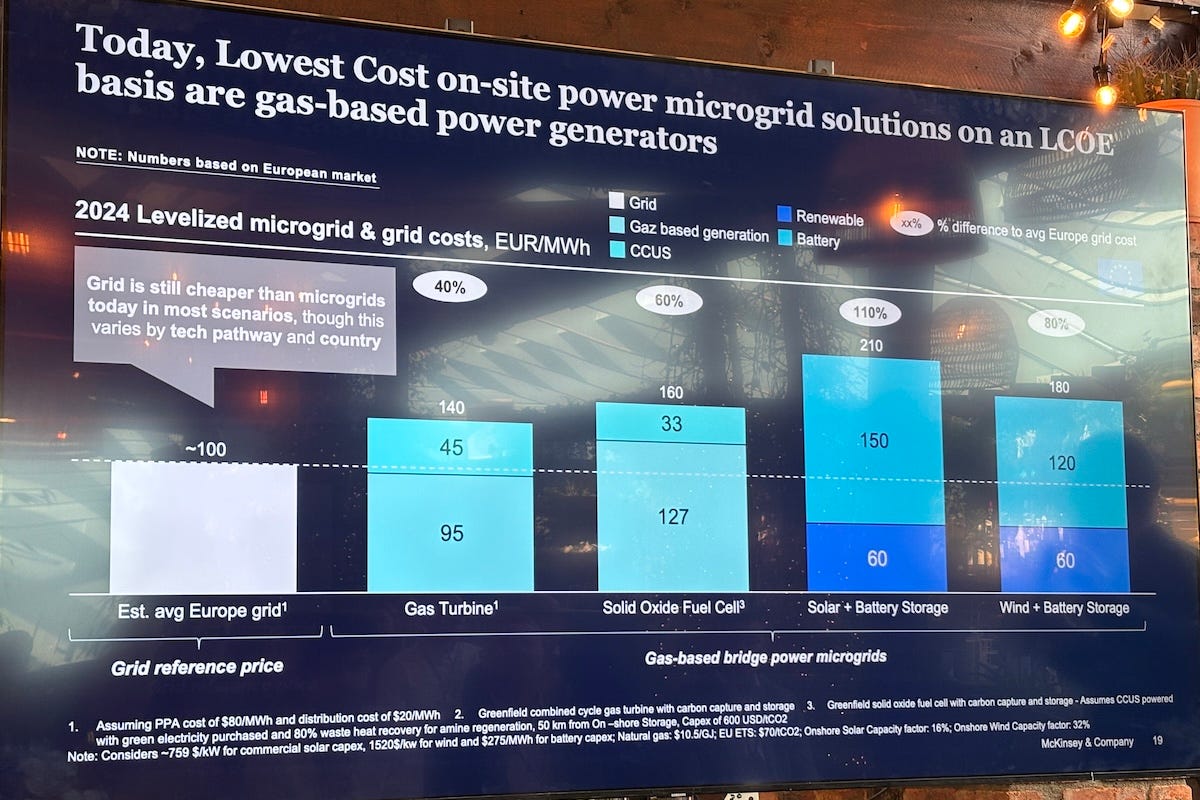
“Pure renewable solutions are not going to be the solution on their own,” Diez said. “You need storage and often a mix with gas-based solutions.”
“Gas-based solutions are probably the most used and chosen technology right now, at least for the next five years,” he added.
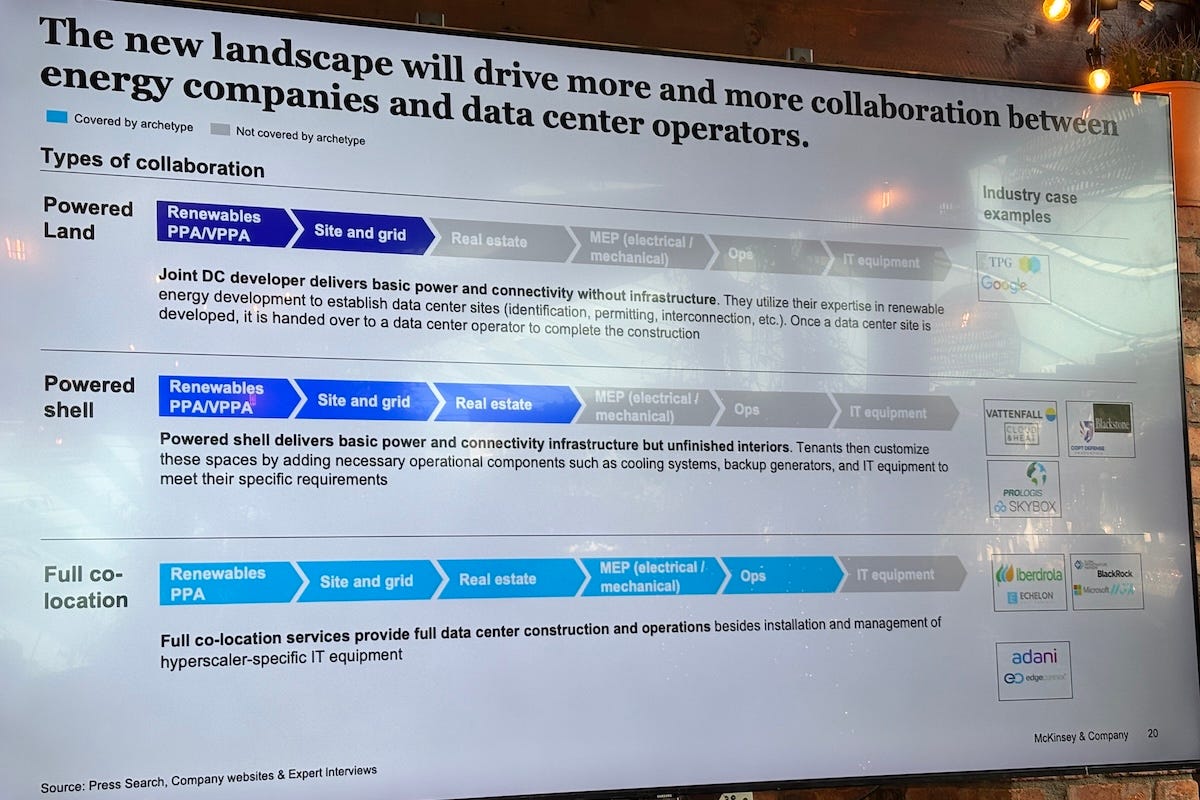
This shift is also driving new commercial models.
Rather than building and operating energy infrastructure themselves, developers are increasingly partnering with utilities and energy providers.
“Data center operators will increasingly want Energy-as-a-Service (EaaS),” Diez said. “They want someone to invest and operate power infrastructure for them.”
Ireland case study
Mortell provided a national perspective on how these trends are unfolding.
Ireland has emerged as one of Europe’s leading data center hubs over the past decade, attracting major hyperscale operators including Microsoft, Amazon, Google, and Meta.
“Ireland was very successful over the last decade in promoting itself as a destination for digital infrastructure investment,” Mortell said.
That growth was supported by strong transatlantic connectivity, a favorable business environment, and early investment by global technology companies.
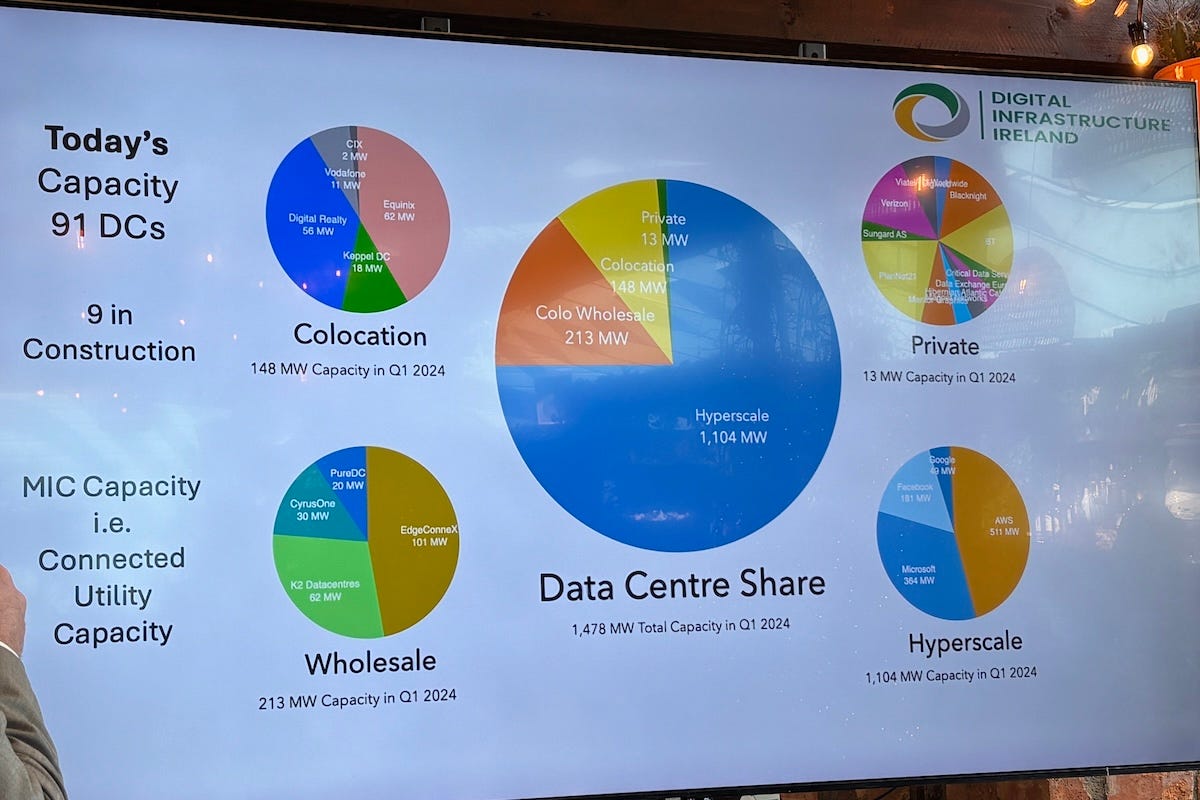
Over time, clustering effects in Dublin reinforced Ireland’s position as a key node in global digital infrastructure.
However, success has created new challenges.
Rapid expansion has placed significant strain on Ireland’s electricity network, particularly in Dublin, where capacity constraints have become acute.
“Dublin City is really constrained, and that’s just the physics of it,” Mortell said.
“There are massive constraints on both the distribution and transmission networks, and that requires huge capital investment,” he added.
These pressures have triggered regulatory intervention and a broader reassessment of how digital infrastructure is planned and delivered.
Policymakers now face competing priorities, including economic growth, decarbonization targets, and the expansion of digital services.
“We have competing priorities: digitization, economic growth, and renewable energy goals, and they don’t always align,” Mortell said.
Infrastructure as utility
Looking ahead, Mortell said the industry must adapt to a new reality in which digital infrastructure is treated as critical national infrastructure rather than discretionary investment.
He said governments and industry stakeholders will need closer coordination on long-term planning, grid investment, and energy strategy to ensure infrastructure keeps pace with demand.
“Digital infrastructure is now a utility. It’s not a nice-to-have, it’s a have-to-have,” Mortell said. “It’s like a road, an airport, or a water network.”
The shift toward inferencing-led demand, combined with tightening infrastructure constraints, suggests the next phase of AI growth will depend as much on energy systems and policy frameworks as on advances in computing technology.